A Chinese tea ceremony is one of the most meaningful moments in a wedding.
It is intimate, symbolic and deeply family-centred. The couple serves tea to their parents and elders as a sign of respect, gratitude and union between two families. In return, they often receive blessings, red envelopes and jewellery.
For many brides, this jewellery becomes some of the most sentimental jewellery they will ever own. It is not chosen only for how it looks on the day. It represents welcome, protection, prosperity, family honour and love passed from one generation to the next.
Whether you are planning a traditional Chinese wedding, a modern multicultural ceremony, or a tea ceremony that blends old and new, the jewellery you choose can carry enormous meaning.
Here is what to know about Chinese tea ceremony jewellery, from traditional gold pieces to modern heirlooms.
The role of jewellery in a Chinese tea ceremony
During a Chinese tea ceremony, the couple usually serves tea to their elders, often beginning with parents and then moving through grandparents, aunts, uncles and other senior relatives.
After receiving tea, elders may offer the couple blessings and gifts. These gifts often include red envelopes, known as lai see or hongbao, and jewellery, particularly gold jewellery.
The jewellery is more than decoration. It is a visible expression of blessing. It marks the bride’s welcome into the family, celebrates the marriage, and symbolises hopes for wealth, happiness, fertility, harmony and long life.
This is why tea ceremony jewellery is often bold, gold and highly symbolic. It is designed to be seen, photographed and remembered.

Why Gold Is So Important
Gold holds a special place in many Chinese wedding traditions.
It is associated with prosperity, good fortune and lasting value. In the context of a wedding, gold is not only beautiful; it is also symbolic of security and blessing. When family members gift gold jewellery, they are giving something that can be worn, kept, treasured and, in some cases, passed down.
This is one of the reasons tea ceremony jewellery often feels different from everyday bridal jewellery. It tends to be richer, more symbolic and more rooted in family tradition.
For some families, 24k gold is preferred because of its purity and warm yellow tone. However, 24k gold is softer than lower-karat gold, so it may not always be the most practical choice for pieces intended for regular wear. For brides who want a piece they can continue wearing after the wedding, 18k or 14k solid gold may offer a more durable everyday option while still feeling precious and meaningful.
The right choice depends on the family, the tradition and how the bride hopes to wear the jewellery after the ceremony.
Dragon and phoenix bangles
One of the most recognisable pieces of Chinese wedding jewellery is the dragon and phoenix bangle.
The dragon and phoenix are powerful wedding symbols. Together, they are often associated with balance, harmony and the union of masculine and feminine energies. The dragon traditionally represents strength, power and good fortune, while the phoenix represents beauty, grace and renewal.
Worn together, they become a symbol of a harmonious marriage.
Dragon and phoenix bangles are often gifted by elders during the tea ceremony, especially in Cantonese and Southern Chinese traditions. They are usually worn in pairs and can be beautifully ornate, with carved or embossed details.
For many brides, these bangles become the most visually striking part of the tea ceremony look. They pair especially well with a traditional red qun kwa or embroidered dress, but they can also be styled with a modern cheongsam or a simpler bridal outfit.

四飾金 (The Four-Piece Gold Set)
Another important jewellery tradition is 四飾金, which translates to “four touches of gold” or “four pieces of gold”.
In Chinese traditional wedding rituals, Four-Piece Gold Set is a set of gold jewellery usually gifted to the bride by the groom’s family. The exact pieces can vary, but a classic set may include a necklace, ring, bracelet or bangle, and earrings.
The set symbolises the bride being welcomed into the groom’s family and blessed with prosperity, stability and happiness in marriage.
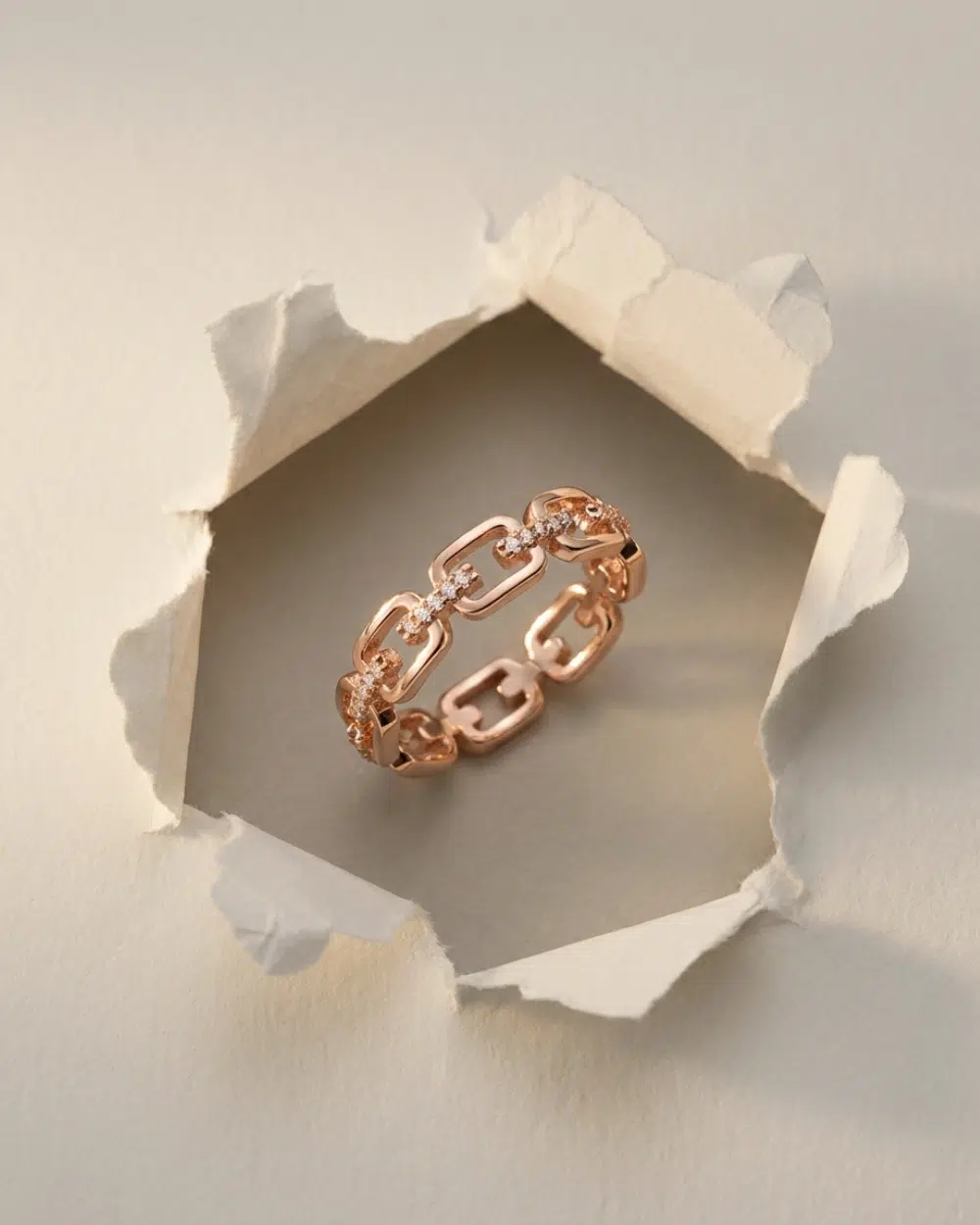
Today, many brides choose more modern versions of the four-piece Gold set. Instead of very traditional gold designs, they may prefer refined, wearable pieces that still honour the tradition. A delicate gold necklace, a pair of diamond earrings, a bracelet and a ring can all form a modern interpretation of the set.
This is a beautiful option for brides who want jewellery that feels culturally meaningful but still suits their personal style.

Traditional does not have to mean old-fashioned
One of the loveliest things about tea ceremony jewellery is that it can be interpreted in many ways.
Some brides want the full traditional look: ornate gold bangles, symbolic motifs, red and gold embroidery, and jewellery gifted by elders. Others want something more understated: a solid gold bracelet, a pendant, pearl earrings, or a ring they can wear long after the wedding.
Neither approach is wrong.
Tradition works best when it feels alive. Jewellery can honour family customs while still reflecting the bride’s taste. A modern tea ceremony look might include a traditional gold bangle on one wrist and a more minimal diamond bracelet on the other. It might pair heirloom earrings with a bespoke gold pendant. It might use the symbolism of gold, pearls, dragons, phoenixes or floral motifs in a quieter, more wearable way.
The point is not to make the jewellery look exactly like everyone else’s. The point is to understand what the jewellery means and choose pieces that feel considered.
What to consider when choosing tea ceremony jewellery
Before choosing or commissioning jewellery for a Chinese tea ceremony, it is worth thinking about a few practical and emotional details.
First, consider family expectations. Some families have strong preferences around what should be gifted, who should gift it and when it should be worn. Others are more flexible. If you are unsure, ask early. It is much easier to navigate these traditions before the wedding week.
Second, think about whether the jewellery is mainly ceremonial or something you want to wear again. A very ornate 24k gold bangle may be perfect for the ceremony, but less suited to daily wear. A solid gold bracelet, pendant, ring or pair of earrings may be easier to wear after the wedding.
Third, consider the outfit. Traditional red and gold outfits can carry more ornate jewellery beautifully. A modern dress or minimalist cheongsam may suit cleaner lines, smaller motifs or more delicate pieces.
Fourth, think about layering. Tea ceremony jewellery is often gifted throughout the ceremony, so the bride may end up wearing several pieces by the end. If you are planning your own jewellery in advance, leave room for gifts from family members.
Finally, consider the sentimental value. A piece does not have to be large to be meaningful. A small pendant with a personal motif, a pair of earrings from a grandmother, or a bespoke bracelet designed around family symbolism can carry just as much emotion as a large ceremonial set.
Heirloom jewellery and family memory
Tea ceremony jewellery often becomes heirloom jewellery.
That is what makes it so special. It is given in a moment of blessing, worn during one of the most important days of your life, and then kept as a physical reminder of family love.
This is why material matters. If a piece is intended to become an heirloom, solid gold is worth considering. Gold-plated jewellery may look beautiful at first, but it is less suited to long-term wear and passing down. Solid gold can be polished, repaired and treasured over time.
A well-made piece can live beyond the wedding day. It can be worn on anniversaries, family occasions, Eid dinners, Lunar New Year celebrations, future weddings, or simply on an ordinary day when you want to feel connected to the people who gave it to you.
That is the quiet power of wedding jewellery. It carries memory.
Commissioning modern tea ceremony jewellery
For brides who want something personal, bespoke tea ceremony jewellery can be a beautiful option.
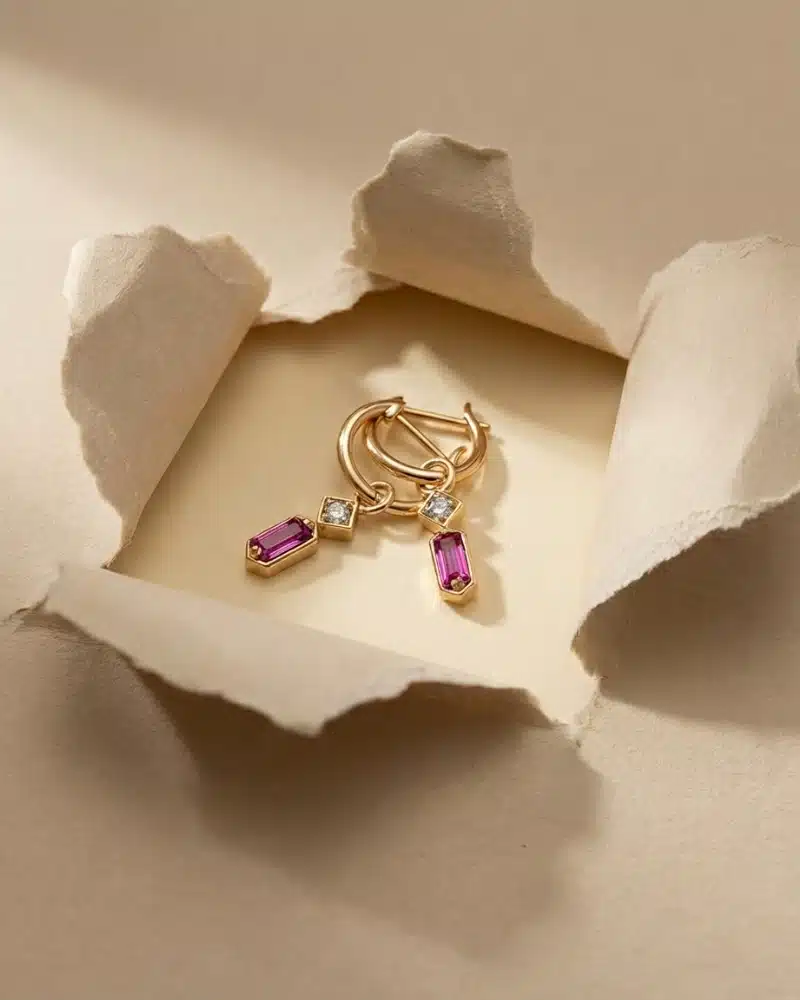
A bespoke piece allows you to honour tradition while creating something that feels like you. This might be a solid gold pendant inspired by a family symbol, a pair of earrings that can be worn with both the tea ceremony outfit and the white wedding dress, or a bracelet designed to become a future heirloom.
You can also incorporate meaningful stones, initials, birthstones, engraving or motifs that nod to Chinese wedding symbolism in a subtle way.
This is especially helpful for multicultural couples or brides who are balancing several traditions. The jewellery can become a bridge between cultures: respectful of Chinese wedding customs, but designed in a way that feels personal and wearable.
A note on cultural sensitivity
Chinese wedding traditions are not identical across every family.
Customs can vary between Cantonese, Teochew, Hokkien, Hakka, Shanghainese and other Chinese communities, as well as between families in Hong Kong, Singapore, Malaysia, mainland China, Taiwan and the diaspora. Even within the same community, one family may be very traditional while another may prefer a simpler modern approach.
So when choosing tea ceremony jewellery, it is always worth asking: what does this tradition mean in our family?
That question matters more than following a generic checklist.
The most meaningful jewellery is not necessarily the most expensive or the most traditional. It is the jewellery that carries the right blessing, from the right people, in a way that feels true to the couple.
A note on cultural sensitivity
Chinese tea ceremony jewellery is beautiful because it is layered with meaning.
Gold symbolises prosperity and blessing. Dragon and phoenix bangles represent harmony and union. Si Dian Jin welcomes the bride into a new family. Heirloom pieces connect generations. Modern bespoke pieces allow those traditions to be carried forward in a personal way.
Whether you choose ornate ceremonial gold, a modern solid gold set, or one meaningful piece designed to last, the jewellery should feel intentional.
Because in a tea ceremony, jewellery is not simply worn.
It is given, blessed, remembered and carried forward.
Commission a bespoke piece
Share this story
Latest Stories
Engagement | Bespoke

Gifts
Gemstones | Diamond Deep Dive