Natural or laboratory-grown: choosing by meaning, not marketing
Written by – émerah Team
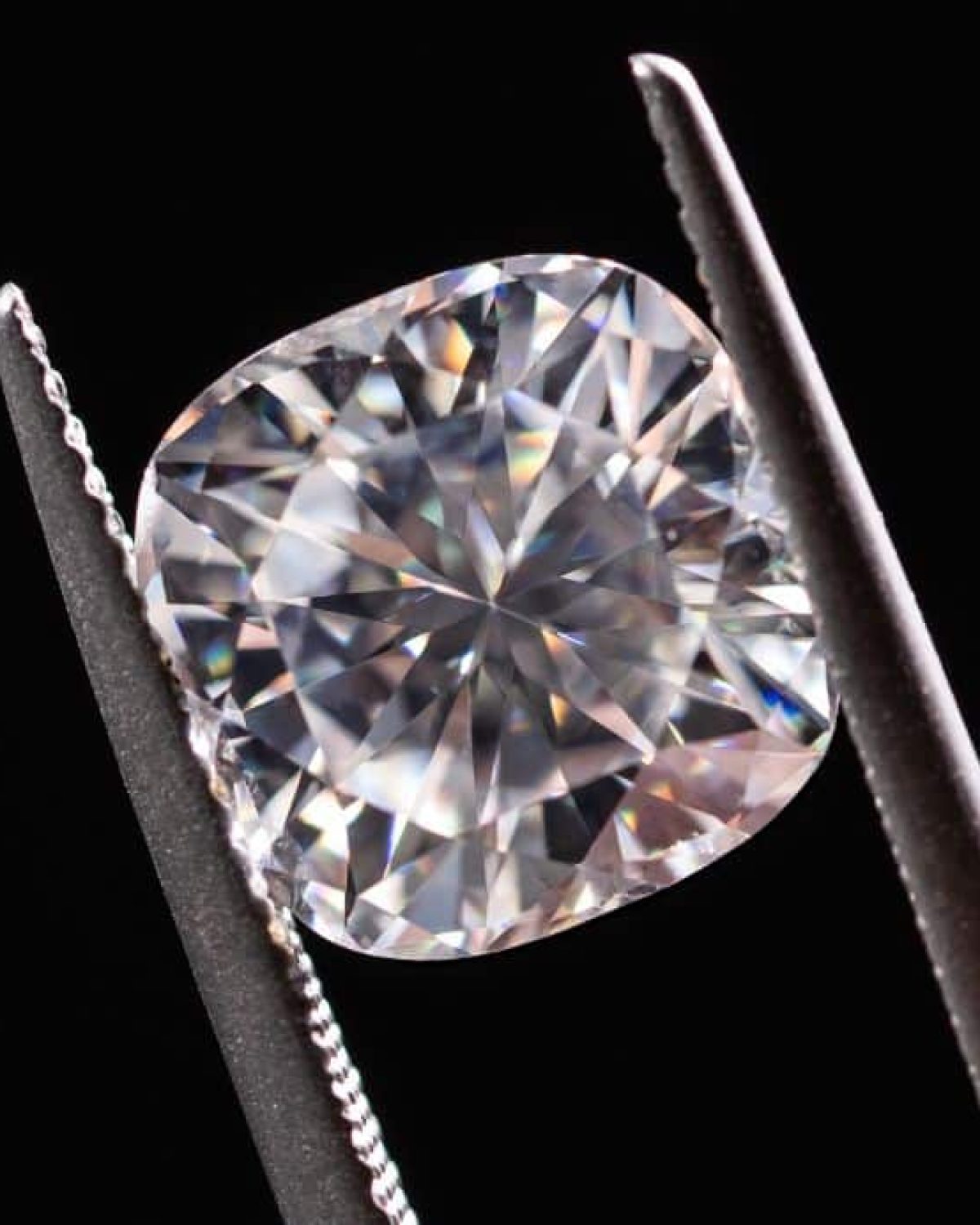
For years, lab-grown diamonds have been pitched with a simple slogan: “It’s the exact same diamond for less money.”
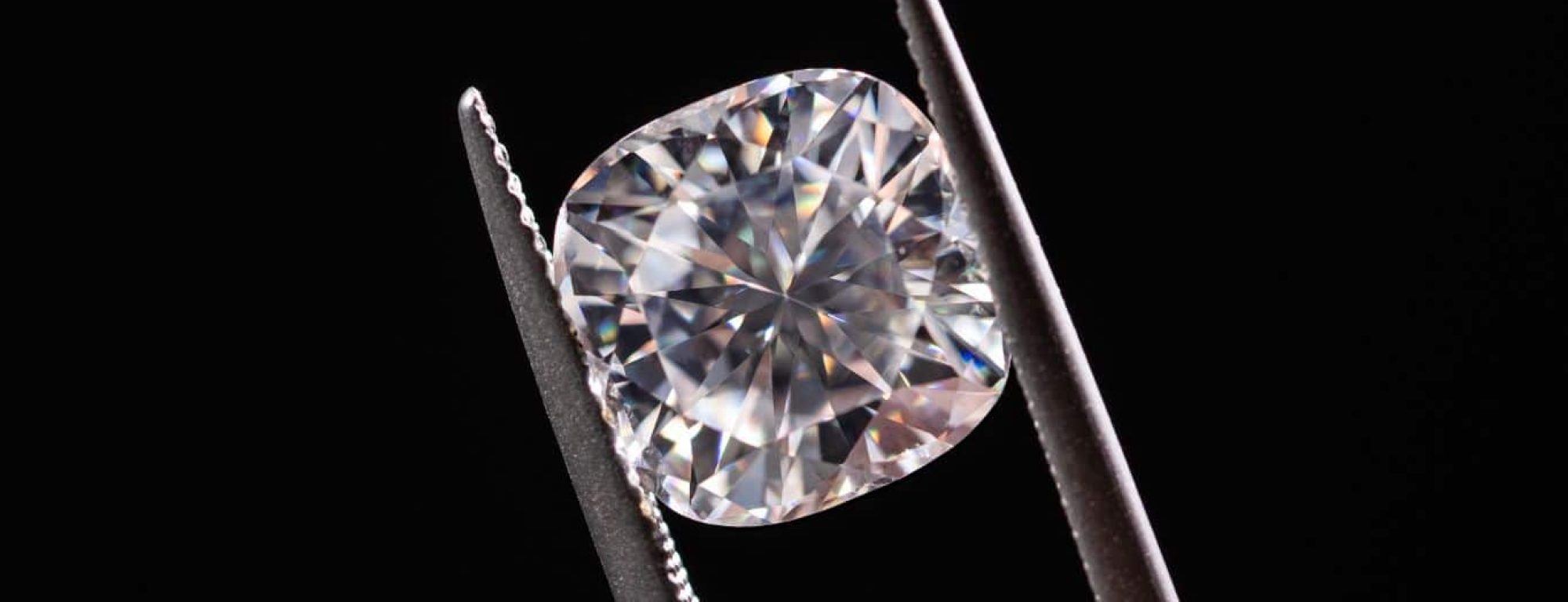
While that sounds great in a quick sales pitch, it misses the bigger picture. Both natural and lab-created diamonds are visually stunning, chemically identical, and genuinely meaningful when chosen with care. But they serve entirely different roles in fine jewelry.
Why this conversation matters now
The diamond industry is changing quickly.
At the recent CIBJO Congress, Gareth Penny, former CEO of De Beers, argued that the natural-diamond industry needs to focus on emotional, trust-led marketing. His point was that natural diamonds have never been valued only because of their chemical composition. They have been valued because of what they represent: love, commitment, rarity, memory and life’s most important moments.
At the same time, the laboratory-grown diamond market is expanding rapidly. The DMCC recently announced a dedicated laboratory-grown diamond trading vertical in Dubai, separating it clearly from its natural diamond and coloured stone activities. UAE laboratory-grown diamond trade reached 76.9 million carats in 2025, up 91.5% year-on-year, while trade value rose only 7.5% to USD 1.3 billion.
That difference between volume growth and value growth is important. It suggests that laboratory-grown diamonds are becoming more available at scale, but also more commoditised. In simple terms: more stones are being traded, but the average value per carat is under pressure.
This does not make laboratory-grown diamonds bad. It simply means they should be understood honestly.
They may look similar, but they mean different things
A laboratory-grown diamond has the same basic chemical composition as a natural diamond. It can be cut beautifully, graded professionally and set into fine jewellery. To the eye, a well-cut laboratory-grown diamond can be stunning.
But jewellery is not only about chemistry.
If diamonds were valued only as materials, the conversation would be much simpler. But engagement rings, heirloom jewellery and bespoke pieces are emotional objects. They carry meaning because of what they mark: a proposal, an anniversary, a family milestone, a private promise, a memory.
This is where natural and laboratory-grown diamonds start to separate.
A natural diamond was formed in the earth over immense time. Its rarity, origin and geological history are part of its appeal. For some clients, that matters deeply. A natural diamond can feel connected to permanence, tradition and heirloom value.
A laboratory-grown diamond is created through advanced technology. Its appeal is different. It can offer visual scale, design freedom and flexibility within a defined budget. For some clients, that is exactly what they want.
Neither choice is automatically more romantic. The meaning comes from the person choosing it and the reason behind the choice.
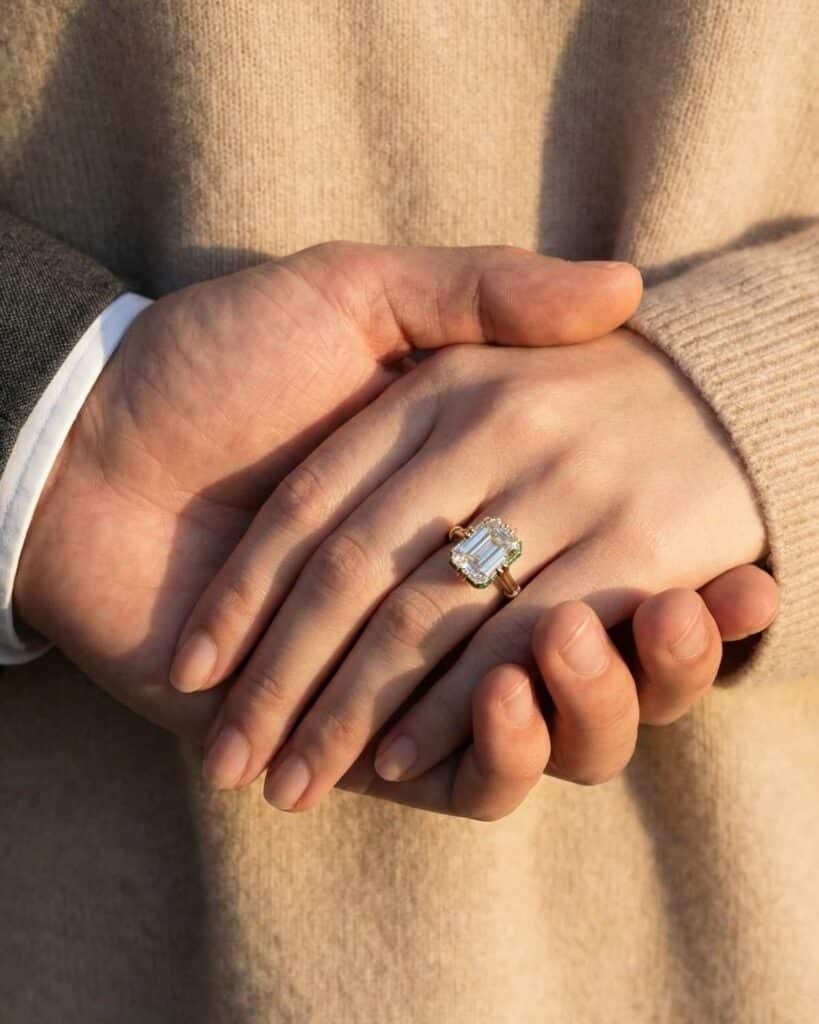
The role of natural diamonds
Natural diamonds derive their appeal from geological history, finite supply, and centuries of luxury tradition. Formed deep within the earth over billions of years, a natural stone offers a tangible connection to permanence and tradition.
Heirloom longevity: Built for passing down through generations as an enduring family keepsake.
Geological rarity: A finite natural resource that cannot simply be manufactured on demand.
Symbolic weight: Deeply rooted in the classic language of commitment and legacy.
The role of laboratory-grown diamonds
Created through advanced technology, lab-grown diamonds make real diamond sparkle available at scale. Because production isn’t constrained by nature, they offer incredible flexibility for buyers prioritising visual impact.
Visual scale: Secures larger centre stones (like dramatic ovals or radiant cuts) within a set budget.
Creative flexibility: Perfect for bold custom settings, trend-led designs, or high-sparkle travel rings.
Upfront flexibility: Lets you allocate more budget toward intricate metalwork or secondary accents.
Why “the same diamond for less” is too simple
It is true that natural and laboratory-grown diamonds can look very similar. It is also true that both are diamonds.
But saying a laboratory-grown diamond is simply “the same diamond for less” misses the point.
A diamond is not purchased only for its physical properties. If it were, the cheapest visually similar option would always win. But that is not how jewellery works. People buy jewellery for beauty, yes, but also for symbolism, rarity, memory, identity and emotion.
A natural diamond and a laboratory-grown diamond can serve different purposes.
One may be chosen because it feels rare and enduring. The other may be chosen because it allows a client to create a striking design within budget. One may be intended as an heirloom. The other may be perfect for a bold, contemporary piece with more visual impact.
Both can be valid. They simply should not be blurred together.
Long-term value
Natural diamonds have a longer-established market and a stronger association with rarity. That does not mean a natural diamond should be bought as an investment. Engagement rings and personal jewellery should be bought because you love them, not because you expect to resell them for profit. But natural diamonds do sit within a more established resale and heirloom framework.
Laboratory-grown diamonds are different. As production scales, prices can come under pressure. The UAE trade figures show a striking example of this: volume rose sharply in 2025, while value grew much more slowly. That points towards a market where supply is increasing quickly and average value per carat is falling.
For clients, this means expectations matter.
A laboratory-grown diamond can be a beautiful choice, but it should usually be chosen for its look, scale and design possibilities rather than for long-term value retention. If you choose one because you love the appearance and it fits your budget, that can be a very sensible decision. If you choose it believing it will hold value in the same way as a rare natural diamond, you may be disappointed.
Honesty here is essential.
Engagement rings: which should you choose?
For engagement rings, the right choice depends on what the ring needs to mean.
A natural diamond may suit someone who wants the ring to feel classic, rare and heirloom-led. It may be especially meaningful for clients who care about tradition, geological origin and the idea of choosing a stone that feels permanent.
A laboratory-grown diamond may suit someone who wants a larger stone, a particular look, or more room to play with the design. It may be the right choice for clients who prioritise visual impact over rarity.
Here are a few examples.
- If you want a timeless solitaire that may eventually be passed down, a natural diamond may feel more aligned with the purpose of the ring.
- If you want a large oval or radiant-cut centre stone but are working within a specific budget, a laboratory-grown diamond may help you achieve the look.
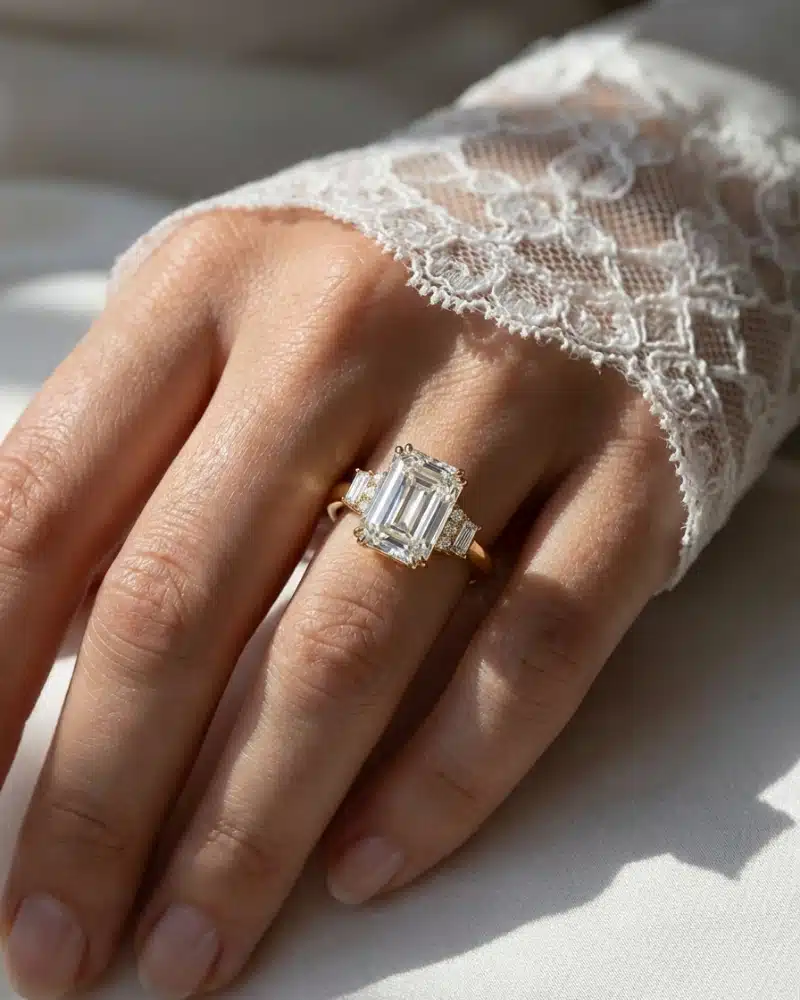
The bottom line
Natural and laboratory-grown diamonds do not need to be enemies.
They simply need to be understood honestly.
A natural diamond carries the appeal of rarity, geological origin, tradition and heirloom meaning. A laboratory-grown diamond offers visual scale, flexibility and creative possibility at a more accessible price point.
The best choice is not about following a trend or choosing the option someone tells you is “better”. It is about understanding what each diamond represents, and choosing the one that matches the purpose of the piece.
For something as personal as an engagement ring, clarity matters.
Because the right diamond should not only look beautiful. It should make sense.
Our approach at Émerah
At Émerah, we work with both natural and laboratory-grown diamonds depending on the client, the design and the purpose of the piece.
We do not believe laboratory-grown diamonds should be described simply as “the same diamond for less”. That framing reduces the conversation to price, when jewellery is about much more than that.
Instead, we see the two categories as serving different roles.
Natural diamonds are for clients who value rarity, provenance, heirloom significance and long-term emotional value.
Laboratory-grown diamonds are for clients who want greater visual scale, design flexibility or experimentation within a defined budget.
Both can be beautiful. Both can be meaningful. But they should be chosen with different expectations.
Our role is to explain the difference clearly, source carefully, and guide you towards the stone that best suits your ring, your budget and your story.
Share this story
Latest Stories
Engagement | Bespoke

Gifts
Gemstones | Diamond Deep Dive