Engagement Ring No-Nos: Design mistakes to avoid with your dream ring

Choosing an engagement ring is exciting, but certain design mistakes can lead to long-term problems.

Written by – émerah Team 

18 Feb ’25
18
Feb
’25
Screenshot 2025-02-18 at 3.05.09 PM

Choosing an engagement ring is one of the most exciting parts of the proposal process, but there are some major design pitfalls you’ll want to avoid. A beautiful ring should not only be stunning but also durable and practical for everyday wear. To help you make the best choice, here are some engagement ring no-nos to watch out for.

Weak or Small Prongs

Prongs are the tiny metal claws that hold your stone in place. While delicate prongs may look elegant, they can bend over time if they’re too thin or weak. This leads to the ultimate disaster – your diamond falling out. 


What to do instead:

Opt for sturdy prongs in a thicker gold or platinum. We love the double claw setting on rings especially for bigger stones. It adds a subtle flourish to the design and keeps it safely secured.


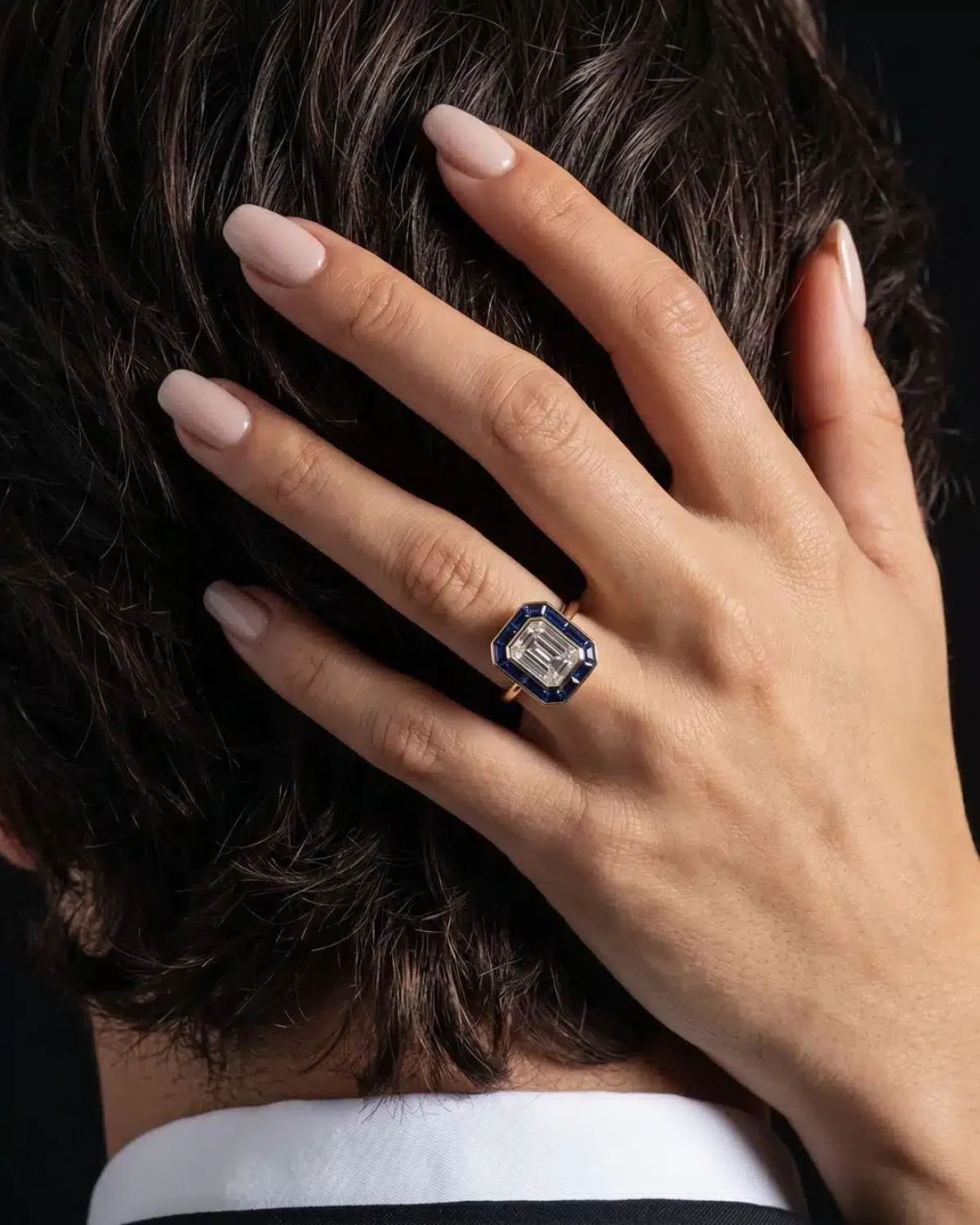
Consider a bezel setting for extra protection if you want a delicate vintage look. If you’re a coloured stone girl, we recommend a bezel setting since these stones are a lot more prone to scratches than a diamond.


example of small, weak prongs

Ultra-Thin Bands – Pretty but Prone to Snapping

Yes yes, we’re fans of dainty rings too. It’s also trendy right now, but at what cost?


A super-thin band (anything under 2mm) may look delicate and minimalist, but it can also be structurally weak especially when it has to support a big stone.Thin bands are more likely to bend, warp, or even snap—especially if the metal is soft, like 18K gold.


What to do instead:

If you love the dainty look, aim for at least 2-2.5mm thickness for longevity

2.5mm band with a 2ct oval diamond

Poorly Designed Stone Settings (Non-Cathedral & Floating Stones)

This may be a controversial take, but your diamond shouldn’t be hanging on for dear life. While floating diamond settings and non-cathedral styles look minimal and sleek, they leave your stone exposed and vulnerable. Weak structural support can lead to a wobbly or loose diamond over time.

 
What to do instead:

Choose a cathedral setting (where the metal arches up to support the stone) or a setting with a protective halo or bezel to keep your stone secure.

left: non-cathedral, right: cathedral setting

100% Gold Isn't Better

Not all gold is equal! One might opt for 24k gold because at first thought it seems most luxurious. However it’s way too soft for engagement rings – it can bend and scratch way too easily for everyday wear.

 
What to do instead:

We would choose between 18k and 14k gold, since both of them are durable enough to keep up with your day-to-day

Platinum is another option – it’s softer than 18k gold but it does not have to be replated with rhodium after a few years like 18k white gold

Gold Colours

You don’t have to choose a white gold engagement ring because that’s what everyone does, you should choose a gold colour that fits your everyday style and personality!


If you only wear yellow gold jewellery then go for a yellow gold band. If you worry the yellow/ rose gold prongs would affect the colour of the diamond, we can design a two tone ring for you, white gold prongs and a yellow gold band.

An engagement ring should last a lifetime, so it’s important to choose a design that’s both beautiful and practical!  Avoid these common mistakes, and you’ll have a ring that looks incredible but also lasts for generations.

Check out our bespoke engagement ring service to create a ring that’s both stunning and built to last!

Share this story

Latest Stories