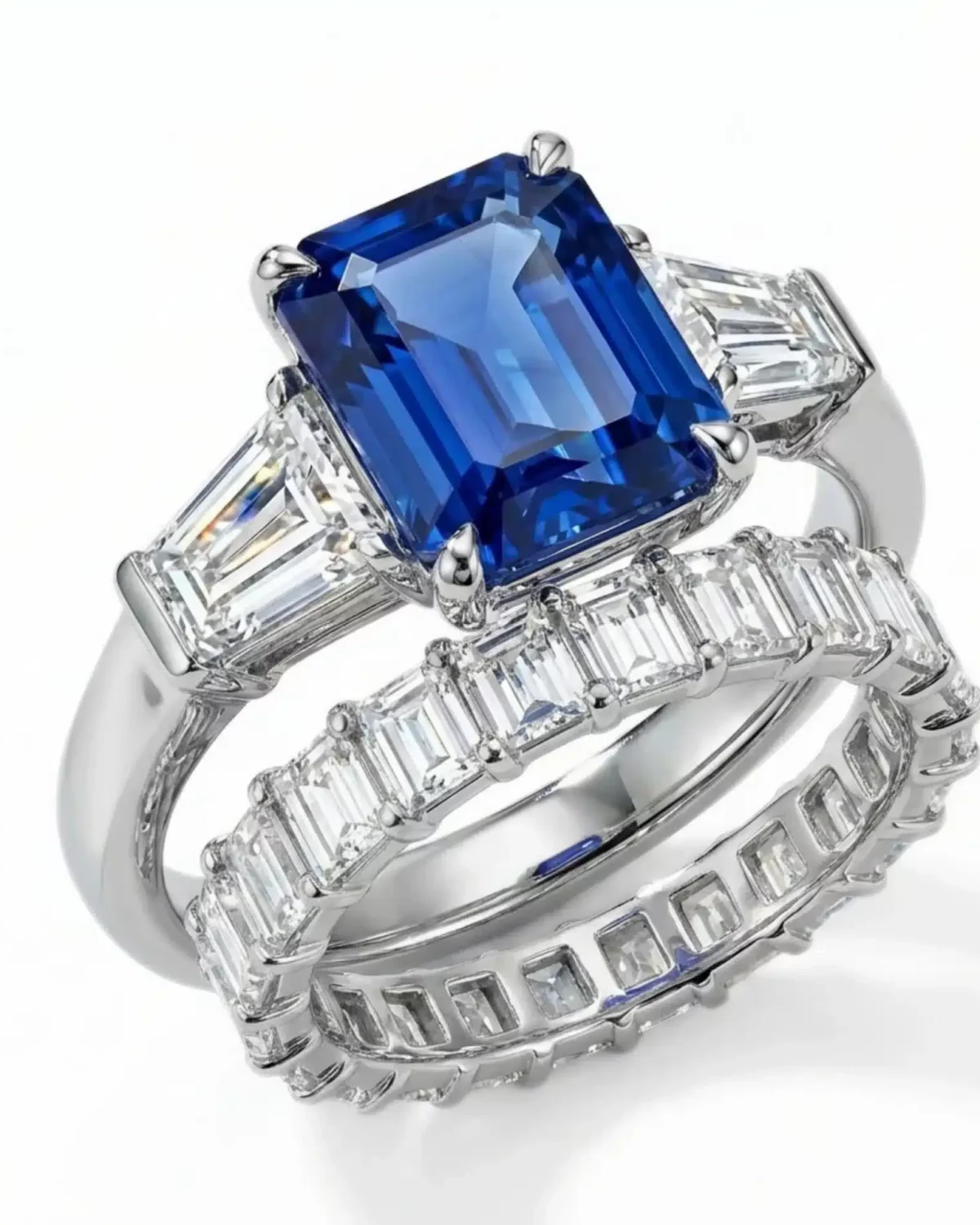
An engagement ring is one of the few things we buy with the expectation that it might still be worn decades from now. Yet, for something designed to represent permanence, the process behind how a ring is made can be surprisingly difficult to understand.
Words such as ethical, sustainable, responsible and conflict-free have become increasingly common in jewellery. The problem is that they can mean very different things depending on who is using them.
Choosing a more considered engagement ring therefore isn’t as simple as looking for one particular label. It means asking questions: Where did the stone come from? What does its certification actually tell you? How was the ring made? What materials were used? Will it survive a lifetime of wear? And is the brand willing to explain the parts of its supply chain that aren’t captured neatly by a marketing phrase?
Here are the questions we believe matter most.
1. Ask what “conflict-free” actually means
The Kimberley Process is one of the terms couples are most likely to encounter when buying a natural diamond.
Established in 2003, the Kimberley Process Certification Scheme regulates the international trade in rough diamonds with the aim of preventing conflict diamonds from entering the legitimate supply chain.
It has played an important role in the diamond industry, but consumers should understand its scope. The Kimberley Process specifically defines conflict diamonds as rough diamonds used by rebel movements or their allies to finance armed conflict against legitimate governments. It is not, by itself, a comprehensive certification covering every possible environmental, labour or human-rights issue associated with diamond mining.
That doesn’t make certification meaningless. It simply means that “Kimberley Process compliant” should be the beginning of the conversation, rather than the end of it.
Ask your jeweller what they know about their suppliers and what documentation accompanies the stone. A responsible jeweller should be comfortable explaining what their sourcing standards do, and do not, guarantee.
At Émerah, our natural diamonds are sourced in accordance with the Kimberley Process, while we source coloured gemstones through suppliers working in line with the standards of the International Colored Gemstone Association.

2. Don't assume “lab-grown” automatically answers the ethical question
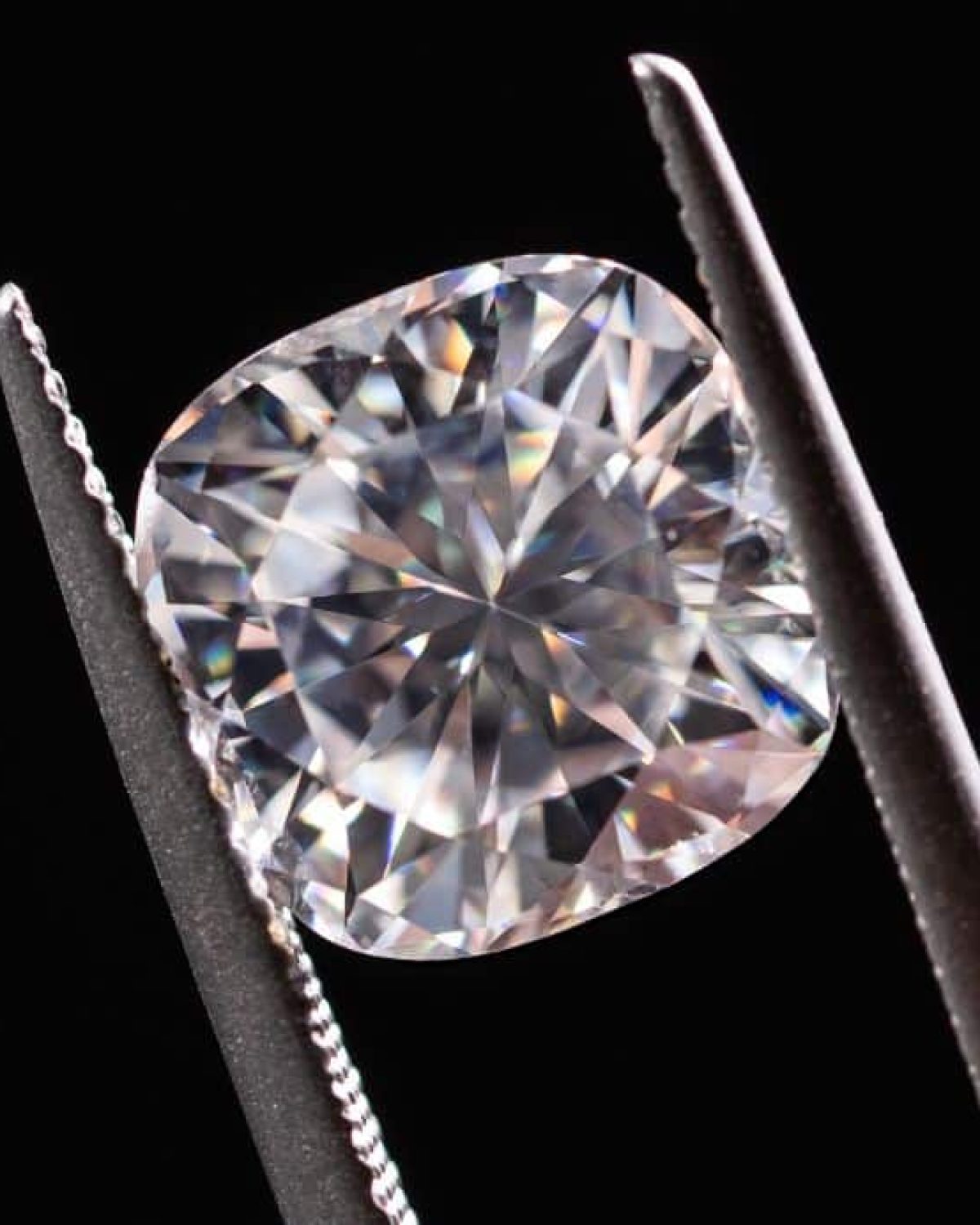
Lab-grown diamonds have changed the engagement-ring market enormously. They have the same crystal structure as natural diamonds and can offer clients a significantly larger stone at the same budget.
But the conversation around ethics is more complicated than simply saying lab-grown good, mined bad.
A laboratory-grown diamond avoids diamond mining, but its environmental footprint can differ considerably depending on how and where it is produced, including the energy source used during manufacturing.
Natural diamonds have their own complex environmental and social considerations, but mining can also support employment and economies in producing regions when it’s managed responsibly.
Rather than treating either choice as morally perfect, ask for transparency: was the diamond grown in a laboratory or mined? Is that clearly disclosed? What certification accompanies it? What does the supplier know about its source?
The right choice may ultimately depend on your priorities, values and budget. What matters is being given enough accurate information to make that decision for yourself
3. Look beyond the stone
Diamonds tend to dominate conversations about responsible engagement rings, but a ring is more than its centre stone.
Ask what the setting itself is made from.
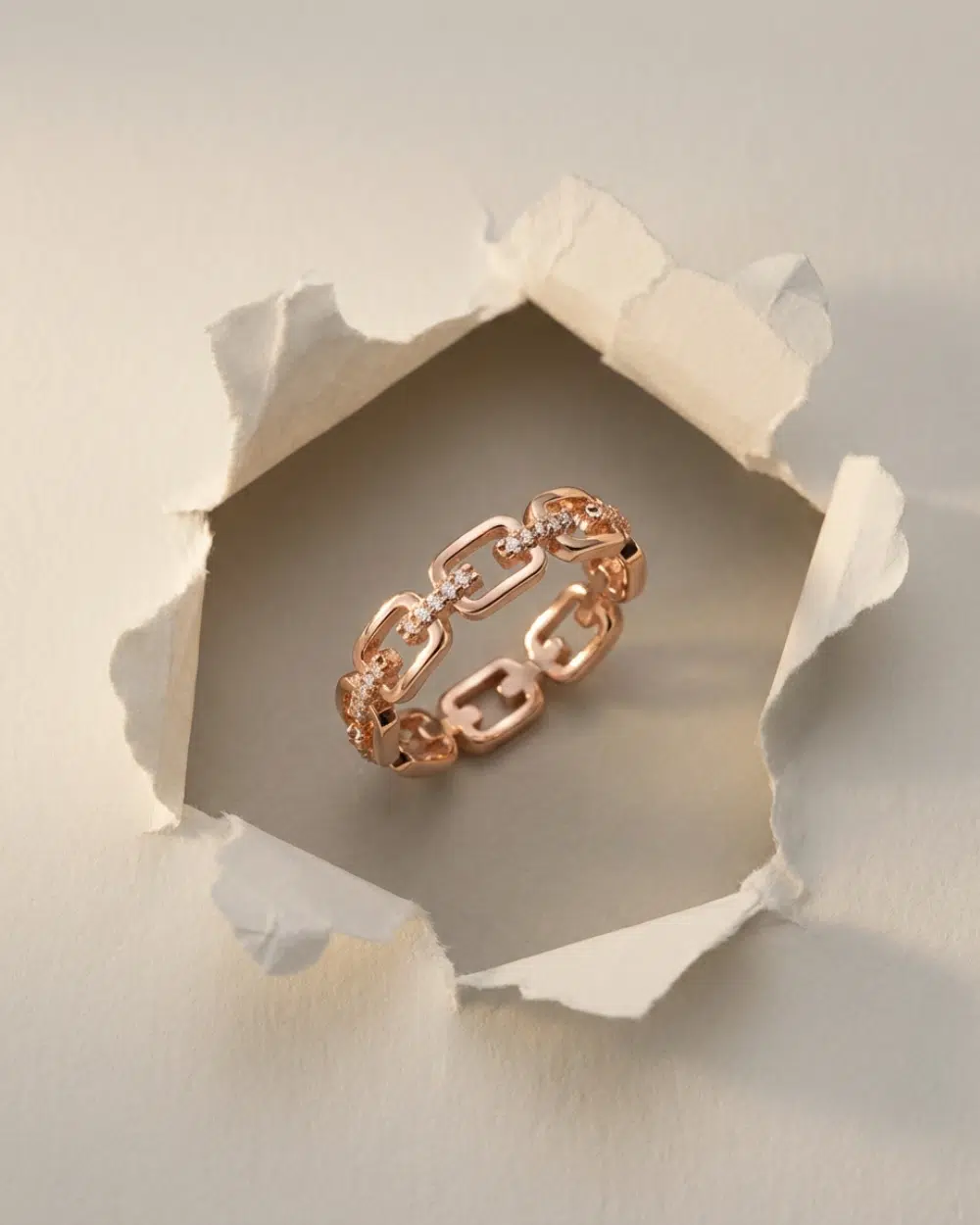
For a piece intended to be worn every day for decades, material quality matters. Plated and filled jewellery can wear through over time and may require replacing or replating. Solid gold, by contrast, can be repaired, polished, resized and eventually passed down.
There is an environmental argument here that is often overlooked: longevity is part of sustainability.
The most sustainable purchase isn’t necessarily the product accompanied by the most impressive list of buzzwords. A beautifully made ring that is worn for 50 years, repaired when necessary and eventually inherited has a very different relationship with consumption from jewellery designed to be replaced repeatedly.
This is one reason every Émerah piece is made in solid gold.
4. Ask whether the jewellery existed before you wanted it
Diamonds tend to dominate conversations about responsible engagement rings, but a ring is more than its centre stone.
Ask what the setting itself is made from.
For a piece intended to be worn every day for decades, material quality matters. Plated and filled jewellery can wear through over time and may require replacing or replating. Solid gold, by contrast, can be repaired, polished, resized and eventually passed down.
There is an environmental argument here that is often overlooked: longevity is part of sustainability.
The most sustainable purchase isn’t necessarily the product accompanied by the most impressive list of buzzwords. A beautifully made ring that is worn for 50 years, repaired when necessary and eventually inherited has a very different relationship with consumption from jewellery designed to be replaced repeatedly.
This is one reason every Émerah piece is made in solid gold.
5. Find out who actually makes the ring
“Handcrafted” appears everywhere in luxury marketing, but it is worth asking what happens after you approve the design.
Where is the ring being made? Is the jeweller able to tell you about the workshop? Are the craftspeople part of an established manufacturing operation? How much of the production process does the brand actually understand?
Émerah’s jewellery is handcrafted in Hong Kong by a family-run manufacturing partner spanning more than two generations and supported by around 100 skilled in-house artisans.
For us, keeping that relationship close matters. Bespoke jewellery requires communication between designer and maker, particularly when a client is adjusting proportions, settings and small details during the design process.
Knowing who is responsible for turning a CAD rendering into the ring that will eventually be worn every day should not be an afterthought.
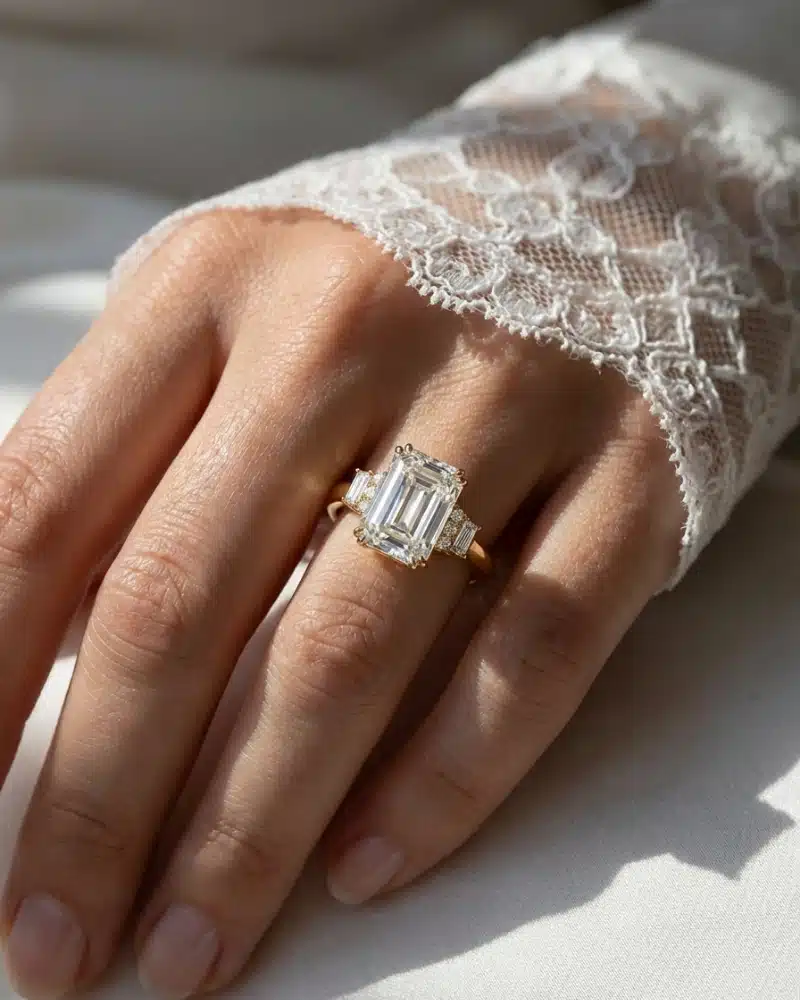
6. Consider whether bespoke can help you buy better, rather than simply buy more
Bespoke jewellery is sometimes treated as synonymous with extravagance.
It doesn’t have to be.
A bespoke process can simply mean making one piece very deliberately.
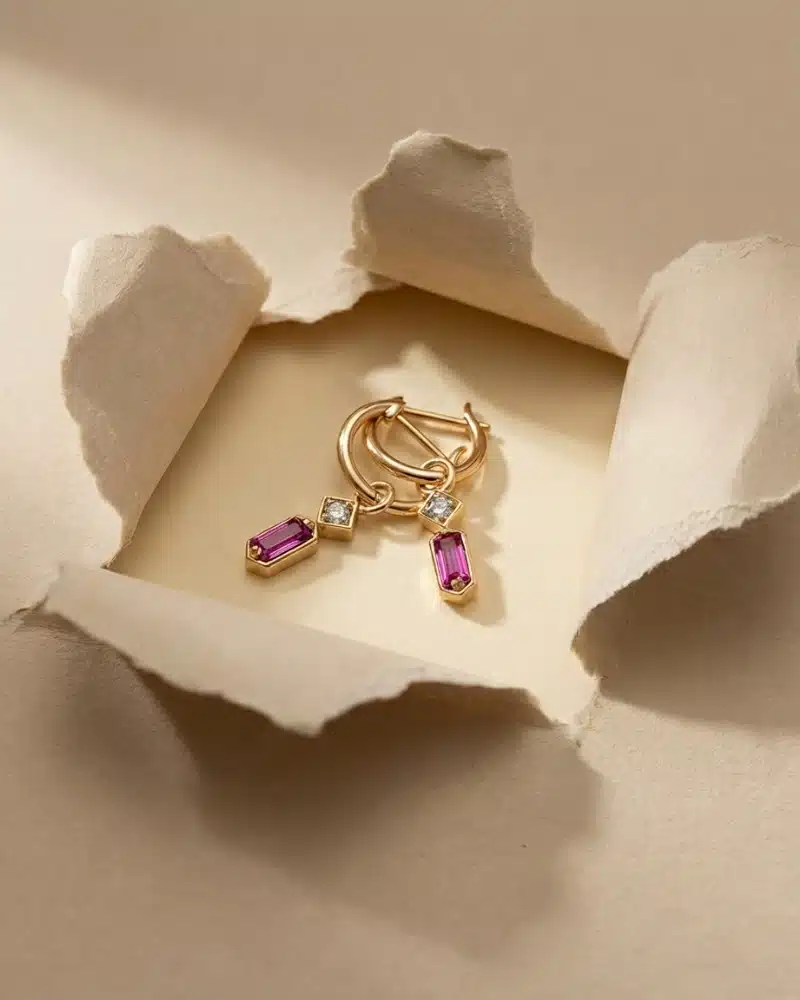
Instead of choosing the closest option from a display case, you can decide which elements actually matter to you: perhaps a smaller natural diamond, a lab-grown stone, a sapphire rather than a diamond, a lower-profile setting for someone who works with their hands, or a design intended to sit perfectly beside a future wedding band.
You can also design around a budget rather than endlessly upgrading features you weren’t originally looking for.
At Émerah, clients begin with a consultation before moving through design proposals, stone selection and 3D CAD previews. The point isn’t to make the most expensive ring possible. It is to make the right ring, once.
7. Be wary of brands that make sustainability sound simple
Perhaps the most useful question you can ask when shopping for an ethical engagement ring is:
“What does ethical mean to you?”
A trustworthy answer should probably take longer than one sentence.
Jewellery supply chains are complicated. Mining is complicated. Manufacturing is complicated. Lab-grown production is complicated. Even terms such as recycled gold require meaningful chain-of-custody systems if consumers are to understand where material has actually come from. Organisations such as the Responsible Jewellery Council have developed dedicated standards precisely because responsible sourcing and traceability require systems, documentation and due diligence. Not just good intentions.
We are wary of suggesting that any newly manufactured piece of fine jewellery can be completely impact-free.
Instead, we believe responsible jewellery should be about continual improvement and transparency: understanding where materials come from, producing thoughtfully, prioritising craftsmanship and creating pieces with enough emotional and physical longevity that their owners will want to keep them.
So, what should you ask before buying?
You don’t need to become a gemologist or a supply-chain expert before choosing an engagement ring.
You just need a jeweller willing to have an honest conversation.
Ask where the diamond or gemstone comes from. Ask what its certification covers. Ask about the gold. Ask where the ring will be made. Ask whether it is produced to order. Ask how the design will stand up to everyday wear. Ask whether it can be repaired and resized in the future.
And if someone responds to those questions with nothing more than another sustainability buzzword, keep asking.
An engagement ring is supposed to tell a story for decades.
It is reasonable to want to know the story behind it, too.
About Émerah
Founded in Hong Kong in 2019 by Chriselle and Yasmeen, Émerah is a female-founded fine jewellery house specialising in bespoke and made-to-order solid-gold jewellery. Clients work directly with the founders through consultation, design, stone selection and 3D CAD before their piece is handcrafted in Hong Kong by the brand’s family-run manufacturing partner.
Share this story
Latest Stories
Engagement | Bespoke

Gifts
Gemstones | Diamond Deep Dive