Why Cut Matters More Than Carat
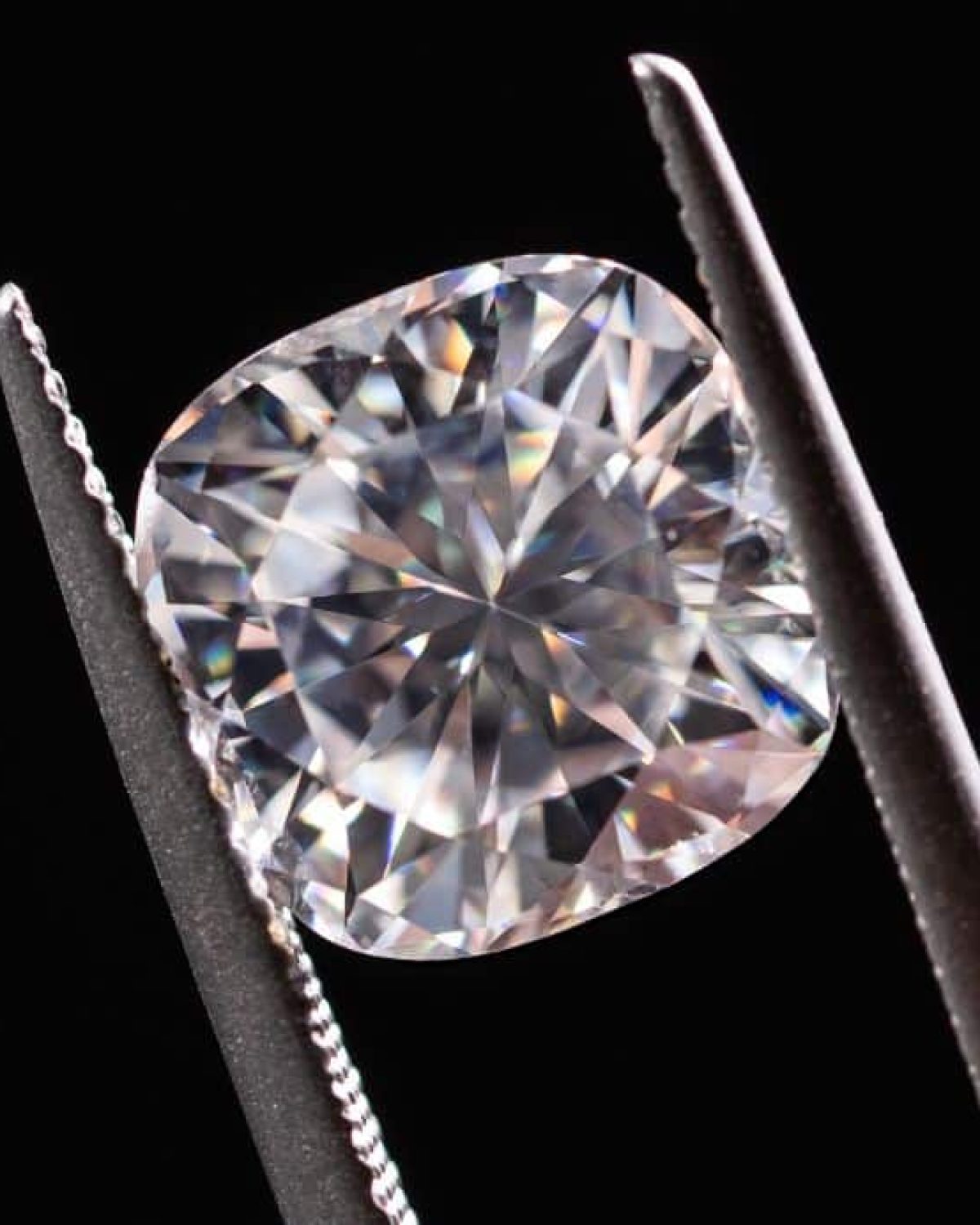
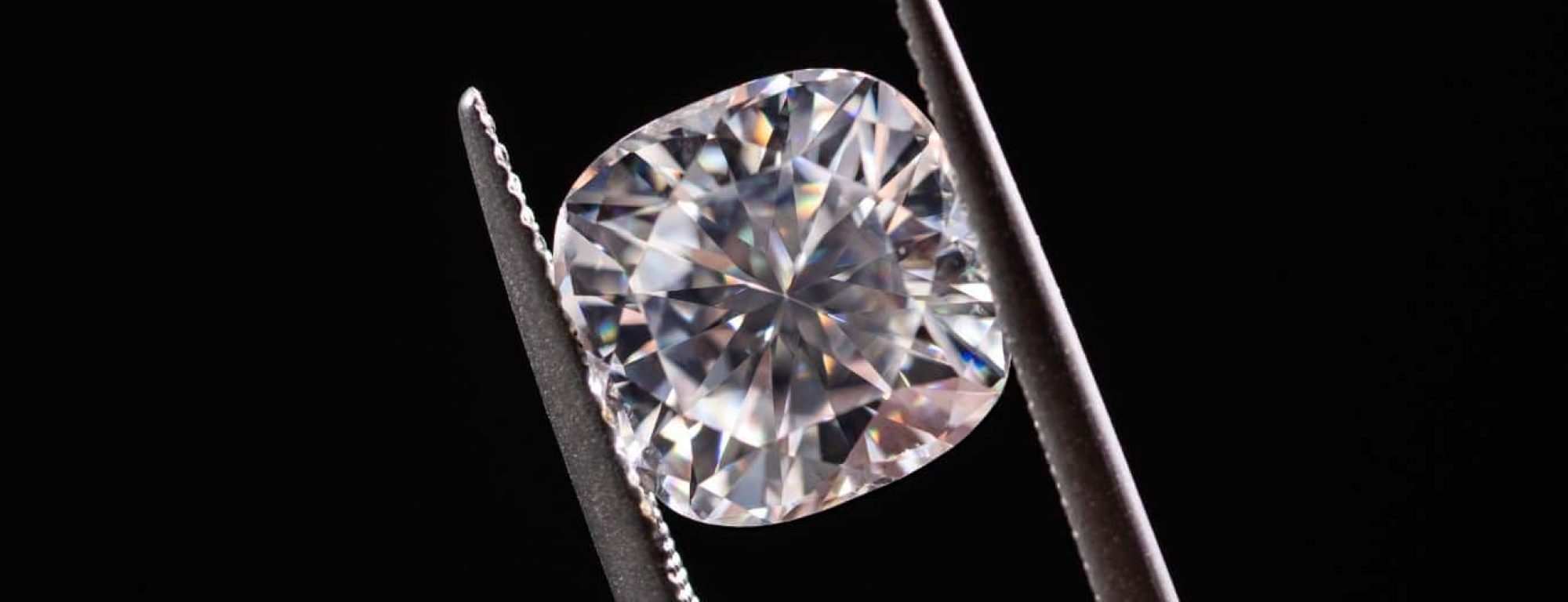
While carat size determines the diamond’s weight, the cut is responsible for how much light the diamond reflects. A well-cut diamond will maximise the stone’s brilliance, even making a smaller diamond appear larger and more radiant. Poorly cut diamonds, even if they are high in carat, can look dull and lifeless because they fail to properly reflect light.
Many jewellers would say that cut is the most important of the 4 Cβs (cut, carat, colour, and clarity). A diamond with an exceptional cut will often outshine larger diamonds with poorer cuts.
Β
How Cuts Are Graded
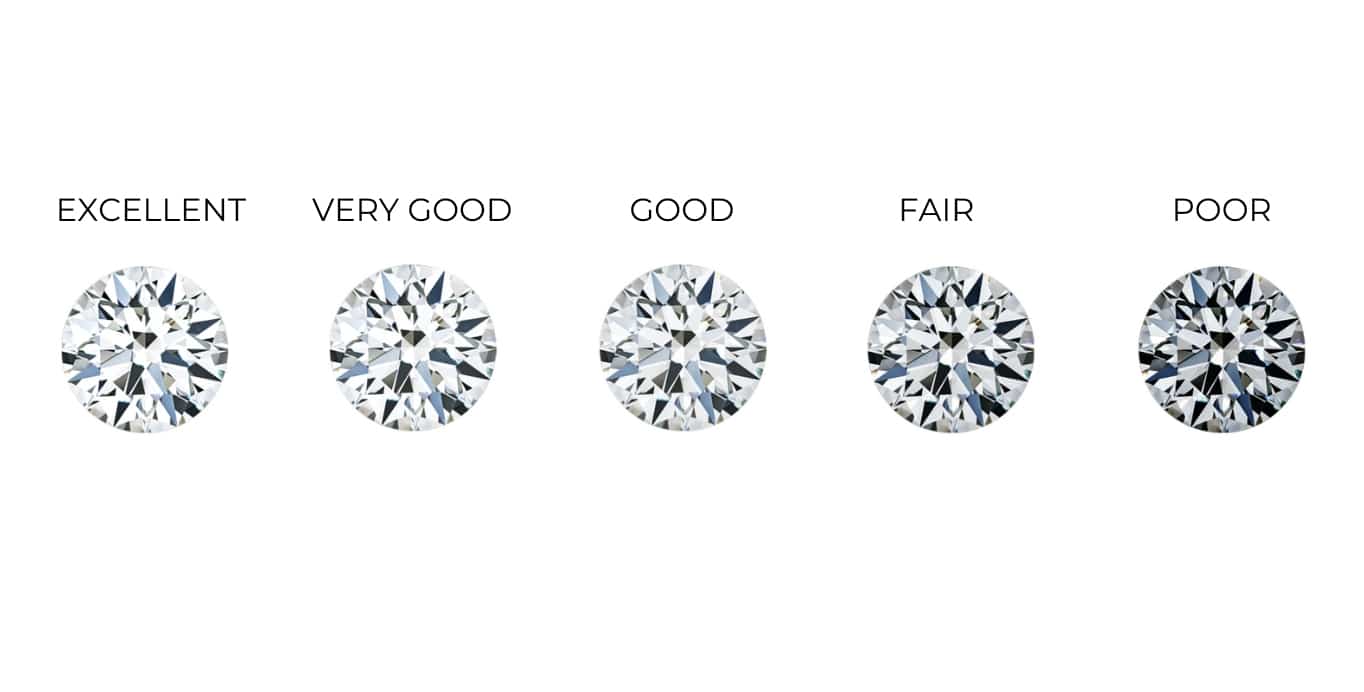
Diamond cuts are graded by gemological labs such as GIA (Gemological Institute of America). The GIA grades cut as follows:
- Excellent
- Very Good
- Good
- Fair
- Poor
These grades take into account how well the diamond reflects light, including factors such as brightness (white light), fire (coloured light), and scintillation (sparkle). An “Excellent” cut ensures the diamond has ideal proportions, symmetry, and polish, creating a brilliant display of light.
Β
Β
Cut vs. Shape
This is an easy mistake to make! “cut” refers to the quality and precision of the diamondβs facets, while “shape” refers to the diamondβs outline (e.g., round, oval, pear). These terms are used interchangeably but are very different. Check out our post on diamond shapes here.
Anatomy Of The Cut
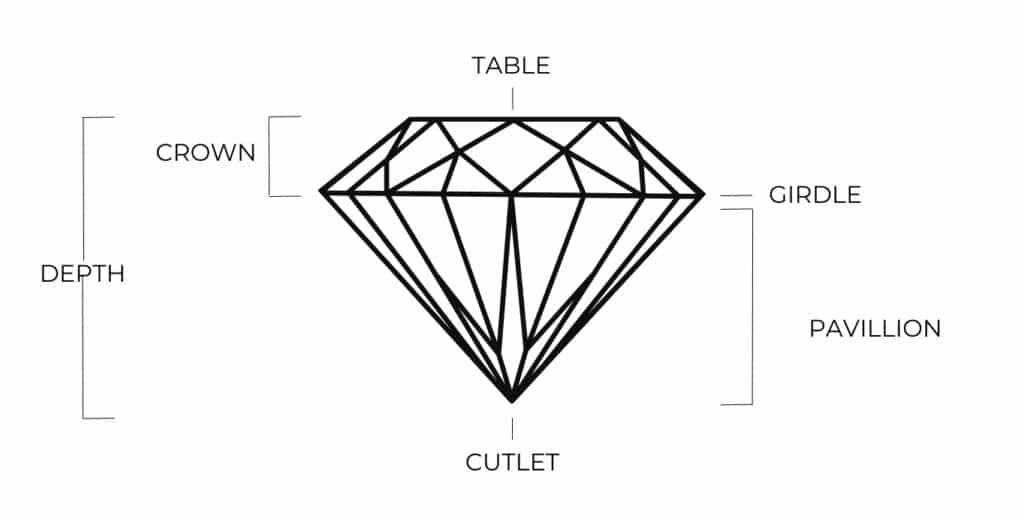
A diamond’s cut has many parts, each of which plays a huge role in its appearance. Hereβs a breakdown of the anatomy of a diamond:
Β
- Table: The flat surface on top of the diamond, which affects how light enters the stone.
- Crown: The upper portion of the diamond, located between the table and the girdle. Itβs where light is dispersed into various colours.
- Pavilion: The lower portion that extends from the girdle to the diamondβs base. Itβs responsible for reflecting light back through the crown.
- Girdle: The outermost edge that separates the crown from the pavilion.
- Culet: The small facet at the very bottom of the diamond. Ideally, a diamond should have a tiny or non-existent culet to enhance its brilliance.
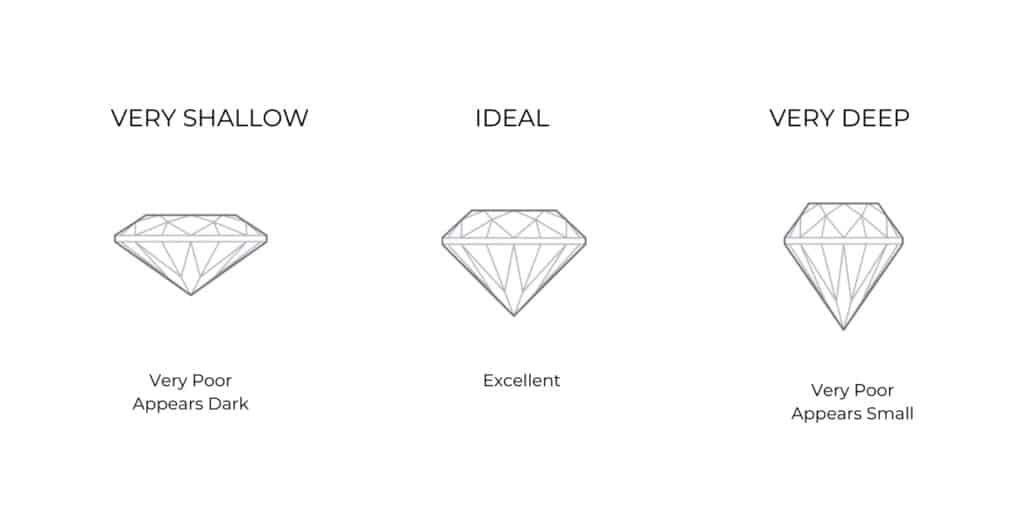
Diamonds that are cut too βdeepβ not only reflect less light but it also gives you a smaller table therefore appear smaller to the eye than an ideal stone with the exact same carat. This is why we always emphasise on prioritising the cut of the diamond when choosing a diamond.
Β
Other factors that contribute to the grading of the cut:
- Proportions: The angles and dimensions of a diamond.Β
- Symmetry: The precision of the diamond’s shape and facet alignment.Β
- Polish: The smoothness of the diamond’s surface.
Β
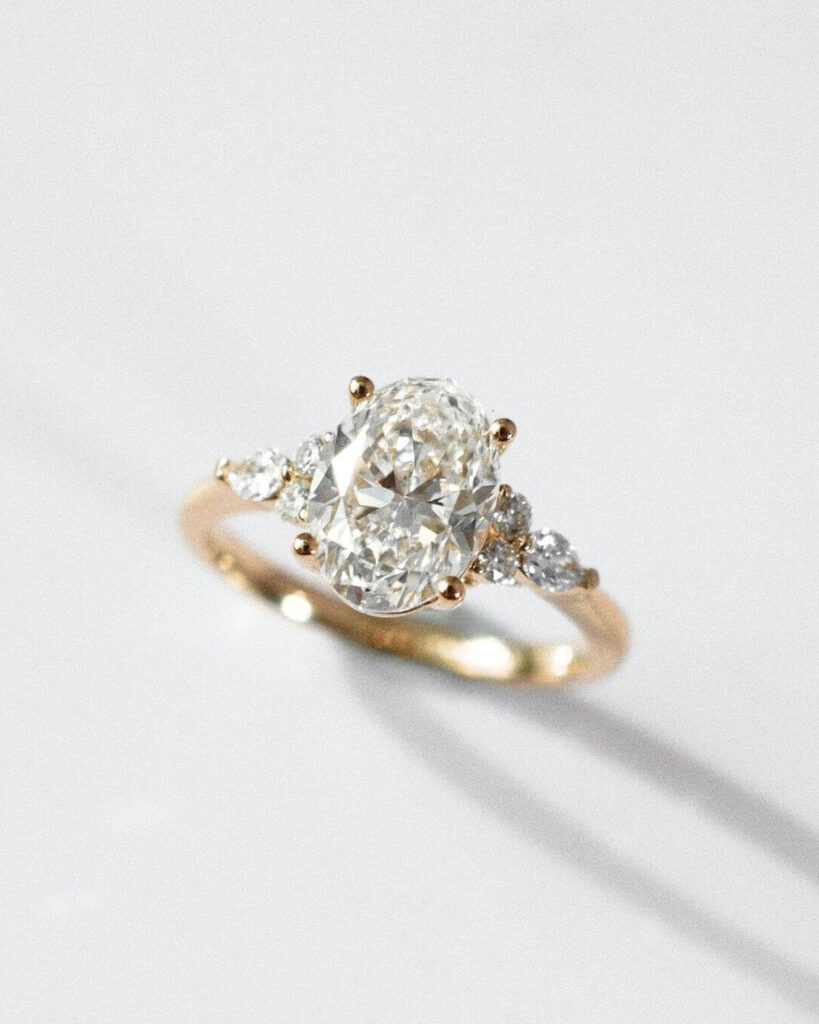
We recommend paying close attention to the proportions and symmetry of a diamond especially for fancy cut stones because even within the same shape category. For example heart shaped diamonds come in different length to width ratios giving you a rounder heart or a more narrow look. Same with oval and radiant cut diamonds shown below.
How To Evaluate A Cut In Person
If youβre choosing a diamond in person, here are some things to evaluate yourself:
- Brightness: Does the diamond reflect a lot of white light?
- Fire: Does the diamond display flashes of colour when moved under light?
- Symmetry and Proportions: Are the facets well-aligned and proportionate?
Sparkle: Does the diamond have a balanced, even sparkle from every angle?